Personal growth
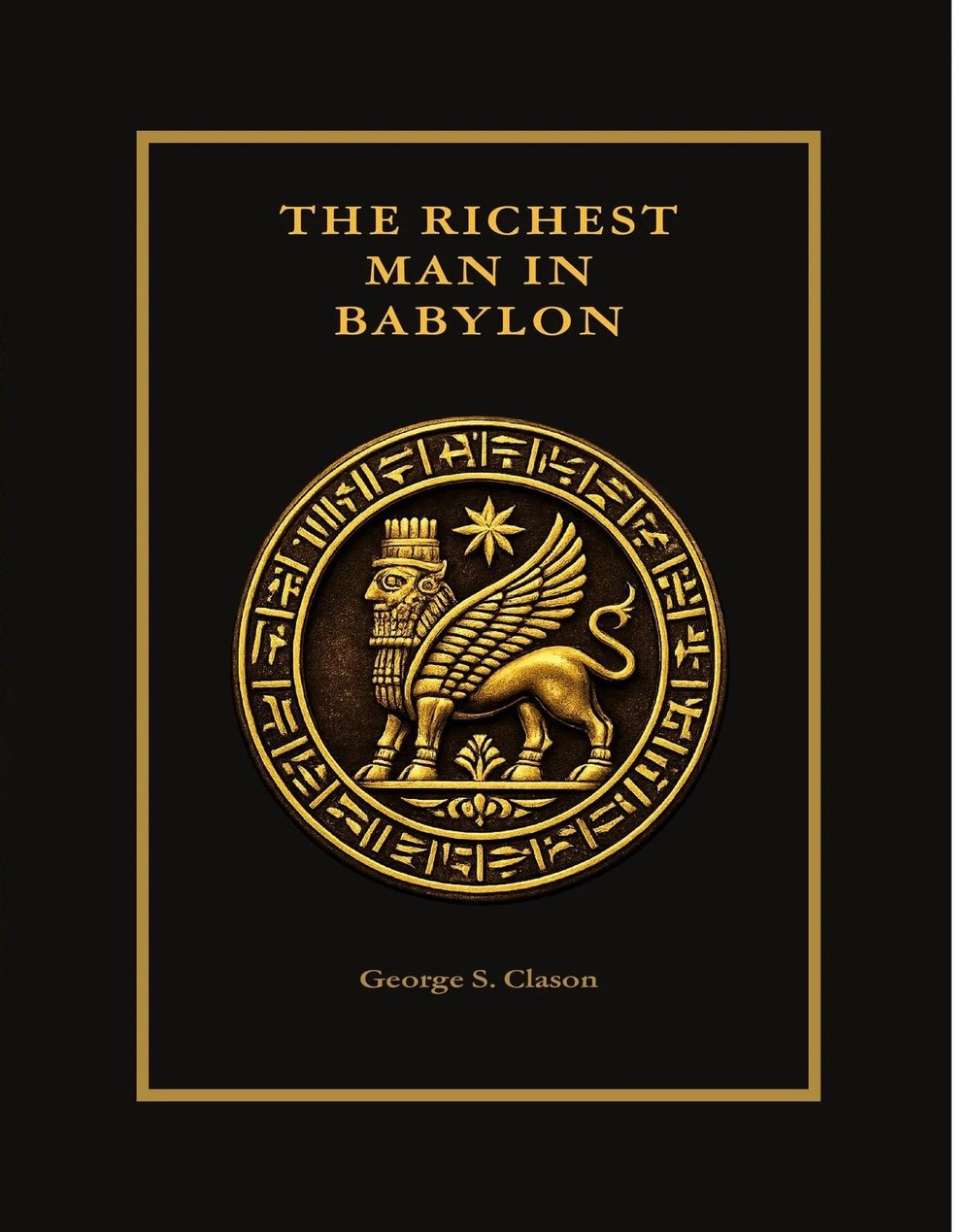
The Richest Man in Babylon
Wide-margin study editionParables about thrift, work and financial habits, with room for your own reflections.
Choose a print edition
Prices and availability are shown by the retailer.
THE WORK & ITS TRADITION
Turn a parable into a question.
The Richest Man in Babylon uses fictional stories set in ancient Babylon to explore saving, spending, work and the handling of money. Clason’s parables make financial habits memorable through characters and situations; they are not documentary accounts of ancient financial life.
For a study collection, the work offers a chance to examine the assumptions behind familiar advice. The wide margins give you room to restate a principle, test its limits and connect it with your own questions. Read it as historical personal-finance writing, rather than personalized investment advice or a promise of wealth.
Edition details
- Full published title
- The Richest Man in Babylon: Wide Margin Edition for Study, Annotation, and Reflection
- Author or text
- George S. Clason
- Edition
- Wide-margin study edition
- Amazon print options
- Paperback
- Paperback pages
- 144
- Paperback dimensions
- 8.5 x 0.33 x 11 inches
- Paperback ISBN-13
- 9798269917580
- Paperback edition published
- October 15, 2025
MAKE THE READING YOUR OWN
How to study with this edition
- Summarize the lesson of one parable without copying its wording. Identify the circumstances on which the advice depends.
- Write an example and a limitation beside the passage. Distinguish a general habit from a decision that depends on income, debt or risk.
- Return to your notes before adopting a rule. Use current information and appropriate professional advice for decisions the book cannot assess for you.
CONTINUE YOUR READING
More personal growth